Garden Clearance in Gipsy Hill
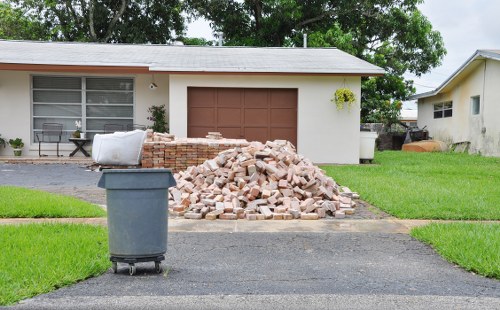
Garden clearance in Gipsy Hill should leave outdoor space tidy, workable and ready for the next stage, whether that means regular upkeep, a seasonal reset or a complete clear-out after a long period of neglect. We handle the practical removal side of the job, including mixed green waste, branches, soil, pots, damaged outdoor items and other non-hazardous garden material, with an approach that keeps the work organised from start to finish.
The service is useful for front gardens, back gardens, shared outdoor areas and enclosed yards where clutter has built up over time. It can also support garden makeovers by clearing material that blocks planting, hard landscaping or simple access. If you need to recover usable space, reduce piled-up waste or prepare for follow-on gardening work, our clearance service provides a straightforward way to move the process on.
For a straightforward start, tell us what needs removing and what sort of access the garden has. You do not need to prepare everything in advance, but a clear description of the main items helps us estimate the work more accurately. If you are comparing options, you can also check pricing and quotes alongside the service pages before you make your decision.
What our garden clearance covers
Garden clearance is broader than simple green waste collection. A typical job may include cutting back and removing overgrown material, lifting bagged waste, collecting broken fencing sections, shifting old compost bins or planters and taking away bulky outdoor clutter that is no longer wanted. Where the garden contains a mixture of natural and man-made waste, we can separate the load sensibly so the right materials are handled in the right way.
Many customers contact us when the garden has become difficult to use because loose waste, prunings or stored outdoor items have taken over. In those cases, the work is less about trimming and more about restoring order. We can clear areas around sheds, patios and paths so the remaining space is easier to manage. For more general mixed-load jobs, our waste removal service page gives a useful overview of the wider work we carry out.
Useful jobs within a clearance visit
A garden clearance can be tailored to the layout of the site. For example, one customer may only need piles of cuttings and hedge trimmings removed, while another may want old garden furniture, children’s play items or weathered ornaments taken away at the same time. If there are awkwardly placed items near the rear gate, side return or shed, we can work through them systematically so access is not blocked as the job progresses.
Choosing the right level of clearance
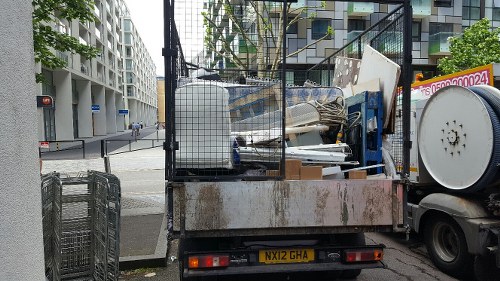
Not every garden needs the same type of attention. Some are better suited to a light tidy-up with limited waste, while others need a deeper clear-out that deals with layers of accumulated material. The right level depends on what is present, how much of it is loose or bagged, and whether any items need to be dismantled before removal. A careful first description of the work helps avoid over-ordering or under-estimating the visit.
When a garden includes several kinds of material, it is often useful to think in groups: green waste, reusable outdoor items, broken fixtures and general rubbish. That kind of sorting makes the process easier to discuss and keeps the scope realistic. If your job includes old furniture placed outside, our furniture clearance page may also be relevant, especially where chairs, tables or other household pieces are part of the outdoor load.
For larger clearances, access and carry distance can affect the work needed. Narrow side passages, locked gates, upper-level terraces and gardens shared with neighbours may require more careful handling than open drive-through access. Mentioning those details early helps us plan the route through the space. It is also useful to say whether anything should be left behind, such as compost, pots you want to keep or materials intended for re-use.
Garden materials and outdoor items we remove
Garden clearance can cover both natural waste and outdoor clutter that has no place left in the garden. Common examples include hedge cuttings, twigs, branches, turf, dead plants, weeds, soil from small landscaping jobs, broken pots, old bags, plant containers and worn items stored in sheds or corners. We also deal with outdoor furniture and general non-hazardous items where they form part of a clearance request.
The aim is not simply to take away volume, but to leave the site in a more practical state. That can mean clearing a border so it can be replanted, emptying a storage corner so tools can be used properly, or removing a collection of objects that have drifted outdoors over time. Clear separation of keep, remove and recycle items makes the job cleaner and helps avoid unnecessary lifting or confusion during the visit.
If your clearance is mainly focused on a garage, shed or other outside store, the work may overlap with our garage clearance service. That page is useful where the outdoor space is being used to hold boxed items, household leftovers or bulky materials that are not really garden waste but still need to go. For a mixed garden-and-store job, describing both areas together usually produces the best quote request.
How we plan a garden clearance
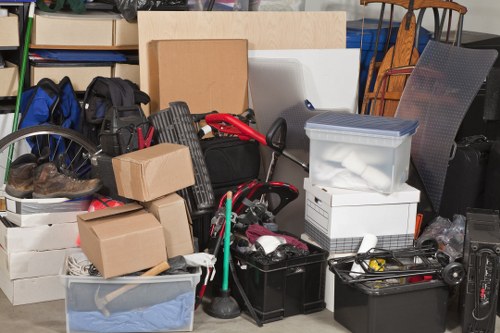
A good clearance plan keeps the job efficient without turning the visit into a complicated project. The most helpful information is often very simple: what needs removing, roughly how much there is, how easy it is to reach, and whether any items are especially heavy, damp or tangled. If the garden contains stacked material, a quick note about height or spread is usually enough to guide the quote stage.
Where several parts of the garden need attention, it can help to think in order. Clear the obvious waste first, then deal with awkward items, then remove smaller pieces that are left behind. That approach reduces the chance of missing hidden material under covers, behind borders or beside outbuildings. If you are also clearing indoor spaces, our home clearance page may be useful for understanding how larger mixed jobs are organised.
Two practical details are worth sharing in one place: whether the team can park close to the property, and whether access to the garden is direct or shared. Those points can affect carrying time and the handling of larger objects. If photographs are available, they can support a more accurate discussion, but they are not essential for every enquiry. A clear written description is still the best place to begin.
Garden clearance for renovation and end-of-tenancy tasks
Some garden clearances happen because a property is being prepared for new occupants, maintenance, sale or improvement work. In those situations, the garden often needs to be made presentable quickly so other trades or household tasks can move ahead. That might involve removing old plant debris, outdoor rubbish, broken accessories or unused materials that have built up around the edges of the space.
We also clear gardens that have been left with unwanted household items outdoors after a move or change of use. Where the job includes a mixture of indoor and outdoor contents, it may be useful to compare the clearance with our house clearance service. The distinction matters because outdoor clearances often involve wetter, muddier or more exposed material, and that affects how the waste is grouped and handled on site.
In practical terms, this type of job is often about restoring visual order as much as removing waste. Borders become visible again, paths are easier to use and the remaining garden structure can be assessed properly. Even when the end use is still undecided, a thorough clear-out can make later work simpler because the usable surface is no longer hidden under leftover clutter.
Recycling, sorting and responsible disposal
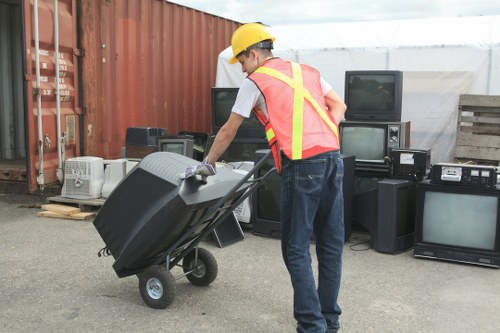
Garden waste is rarely all the same. Fresh branches, woody cuttings, plastic pots, metal fixtures and general outdoor clutter each need different handling. A sensible clearance process sorts those materials so the load is dealt with appropriately. That can support reuse where possible and reduce the chance of mixed waste being handled carelessly. It also helps keep the work tidy as the removal progresses.
When a garden contains packaging, planters, broken household items or leftover building material from a small landscaping task, the clearance may overlap with other waste categories. In those cases, the right starting point is to describe the whole pile honestly rather than trying to label everything as one thing. If there is a building-related load as well, our builders waste clearance page may be a better match for part of the job.
Responsible disposal is not only about the destination of the waste; it also starts with careful sorting at the property. Putting green waste apart from hard materials, keeping loose soil away from fragile items and avoiding damage to keepers all make the visit smoother. For the customer, that means less confusion and a clearer understanding of what is being removed from the garden and why.
About Gipsy Hill
Gipsy Hill is a district in south London, known for its position on higher ground near the edge of Crystal Palace and for its mix of residential streets, local green space and transport links. The area sits within the wider borough of Lambeth, though it also borders neighbouring parts of Southwark, Croydon and the Crystal Palace area itself. Its name is closely associated with the road and station that share it, and the locality has long been shaped by the movement of people along the ridge between south London’s lower-lying districts. The landscape here is notable for its elevated setting, with views and changes in level that distinguish it from flatter surrounding neighbourhoods. Residential development brought terraces, later infill housing and a dense urban grain that remains visible in its streets today. Gipsy Hill railway station provides a clear focus for local movement, while nearby Crystal Palace Park adds a large and important open space within easy reach of the district. The wider Crystal Palace area has a strong cultural identity, and Gipsy Hill shares in that character through local shops, community activity and a pattern of streets that feel connected yet distinct. Architectural variety is one of the area’s defining features: older domestic buildings sit alongside later housing, and the street plan reflects gradual urban growth rather than a single comprehensive scheme. That layered development gives the district a lived-in quality that is typical of many south London neighbourhoods, while the hilltop setting and proximity to major green spaces give it a recognisable local identity.
Clearance for larger outdoor projects

Some customers need garden clearance as the first stage of a broader outdoor project. That may involve stripping out old growth before landscaping, removing debris before paving, or clearing a neglected section so new planting can start on a clean surface. In those cases, the clearance itself is only one part of the overall plan, but it is still important because a poor first pass can slow everything else down.
For these jobs, it helps to know whether the priority is removal, sorting or access. A clearance focused on access may concentrate on paths, gates and working space, while a clearance focused on visual order may reach deeper into borders, beds and storage corners. If the job is tied to a wider mixed load, our flat clearance page can be helpful as a comparison point for belongings that belong indoors rather than in the garden.
When you are ready to arrange a quotation, simply describe the garden as it is now and mention anything you would like kept aside. You can then decide whether the work is just a small tidy-up or a more involved clearance. Clear instructions lead to clearer pricing discussions, and they make it easier to compare one option against another without guesswork.
Why customers request a garden clearance
People usually request garden clearance when the space has stopped being easy to use. Sometimes the issue is seasonal, with hedge cuttings, leaves and clippings building up after a burst of growth. Sometimes it is the result of years of gradual accumulation, where broken outdoor items, unused pots and general debris have simply stayed in place. In both cases, the underlying aim is the same: to make the outdoor area manageable again.
There are also practical triggers such as preparing for a repair, shifting after tenants, getting ready for a family event or reclaiming access to paths and storage areas. None of those situations requires the same amount of work, so the quote should match the actual task rather than an assumed amount of waste. If the job is mainly about outdoor equipment or household leftovers stored outside, our furniture disposal page may also be worth reviewing.
Whatever the reason, the best results usually come from a straightforward description of the site and the items to be removed. That allows the service to be matched to the work rather than the other way around. If the space is partly hidden by overgrowth or stacked material, say so. It is better to identify a likely complication early than to leave it until the day of the visit.
Requesting a quotation for garden clearance
To request a quotation, gather the basic facts about the garden and the waste: what type of material is present, whether any items are bulky or heavy, and whether access is simple or restricted. If you know which parts should stay, mention them clearly so the clearance can be planned around them. For combined property jobs, it is often sensible to describe the indoor and outdoor parts separately so the scope stays accurate.
You can also use the service pages to check related options when your request is not purely garden-based. For example, if you are dealing with a loft, garage or office alongside the outdoor area, the corresponding pages can help you narrow the job before sending details. A careful enquiry usually saves time because it shows where the work begins, where it ends and whether any extra sorting is needed.
For the most useful next step, send the job details in plain terms and ask for a quote based on the actual clearance required. If you want to compare a broader set of service choices first, you can look at contact us as the final place to send your request when you are ready.